By now, in 2026, the fashion world has collectively realized that the "more is more" approach was a mistake. We are seeing a massive shift toward what experts call intentional curation. This is not just a trend for minimalists anymore. It has become a mainstream economic approach. The global market for capsule wardrobes has hit a staggering 9.4 billion dollars as people look for ways to simplify their lives and their budgets. So what does this actually mean for your daily routine? It means moving away from the cycle of disposable fashion and focusing on a few hardworking pieces that actually play well together. When you build a wardrobe based on versatility, you are not just saving money. You are reclaiming your time.
The Philosophy of the Capsule Wardrobe
At its core, the philosophy of a capsule wardrobe is about getting the most mileage out of the fewest items. Think of it like a high-performing sports team. You do not need fifty mediocre players. You need eleven stars who know how to work together.
One of the biggest benefits of this approach is the drastic reduction in decision fatigue. Studies show that people who switch to a minimalist or capsule wardrobe report a 60% reduction in the stress associated with getting dressed.² Instead of staring at a sea of mismatched patterns and fabrics, you are looking at a curated selection where almost everything matches everything else.
This approach also has a significant environmental impact. In 2026, global consumers are spending over 230 billion dollars on sustainable products, reflecting a deep desire to move away from the waste of fast fashion.³ Choosing quality over quantity make sures that your clothes last for years rather than months. It is about finding pieces that can survive a hundred washes and still look as good as the day you bought them.
Foundational Pieces
If you want to build a wardrobe that works for any occasion, you have to start with the "hardworking heroes." These are the items that form the skeleton of your style. Without them, your outfit options will always feel limited.
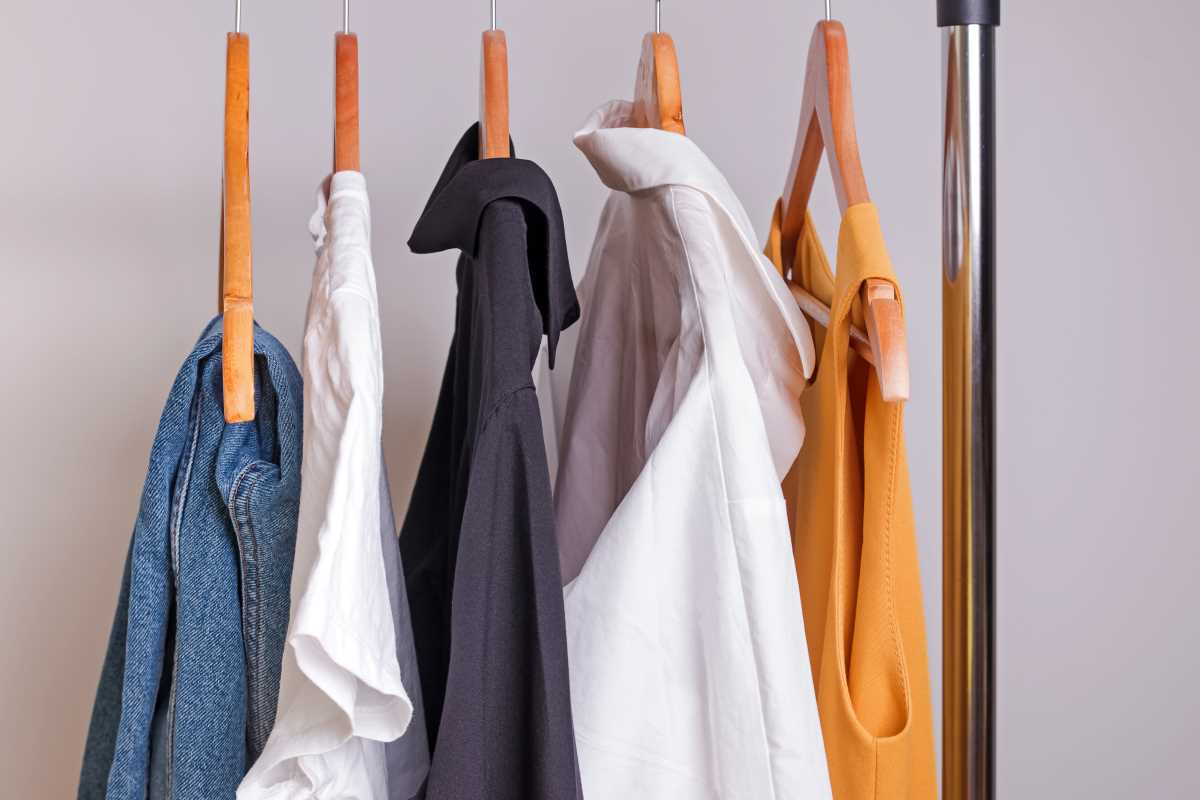
The first non-negotiable is the perfect white button-down shirt. It is a staple for a reason. You can tuck it into a pencil skirt for a meeting, wear it open over a swimsuit at the beach, or pair it with jeans for a lunch date. Industry experts note that this single item is needed for nearly 95% of all styling scenarios.¹
Then, there is the matter of denim. For 2026, the focus has shifted away from restrictive skinny jeans toward more relaxed silhouettes. Straight-leg and baggy denim with a "puddle hem" are the dominant styles.¹ These pieces are incredibly versatile because they can be dressed up with a heel or kept casual with a flat.
Finally, you need a structured, oversized blazer. If you choose one in a neutral tone like Mocha Mousse or Camel, you have an instant "elevate" button for any outfit.¹ Throwing a blazer over a simple t-shirt and jeans immediately makes you look like the most prepared person in the room. It provides a level of polish that soft cardigans or hoodies just cannot match.
Mastering Layering for Seasonal Transitions
The biggest challenge to a small wardrobe is the changing weather. How do you make the same ten pieces work in both July and January? The answer is strategic layering.
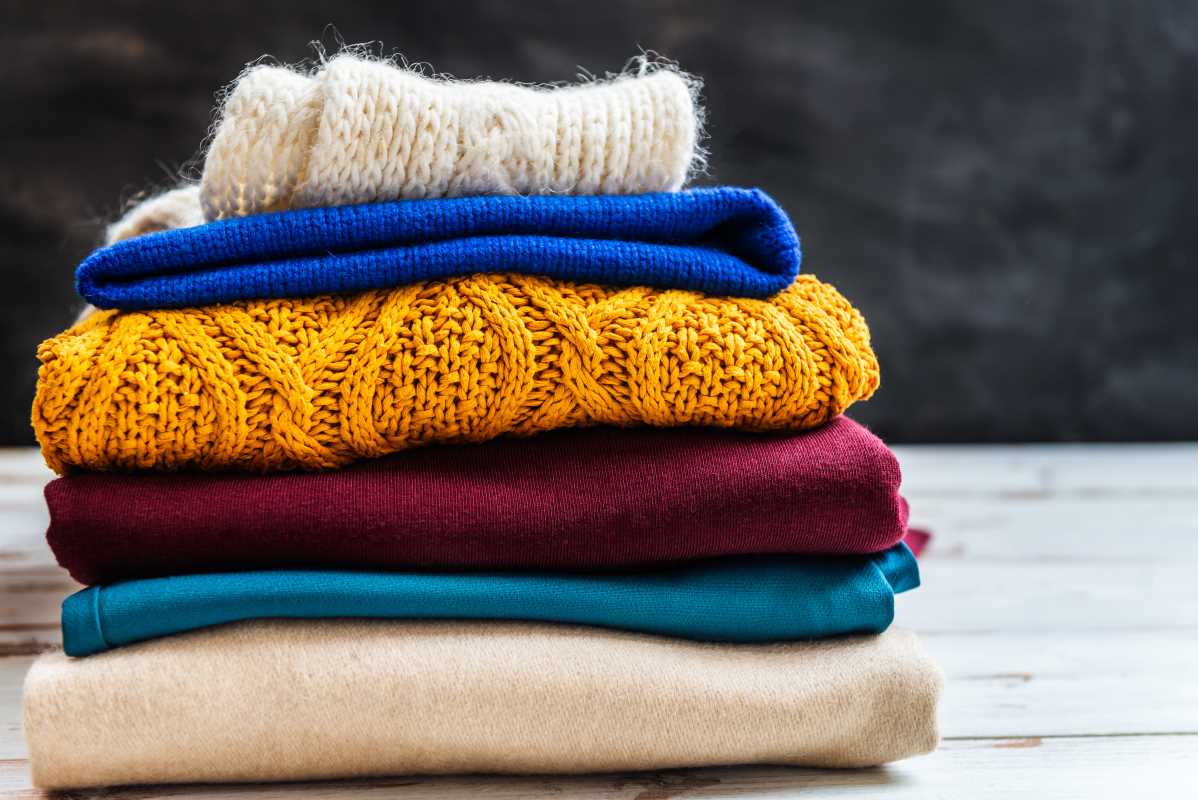
Instead of buying heavy coats that you can only wear for two months of the year, focus on "base layers" that work year-round. A high-quality ribbed tank or a silk camisole is perfect on its own during a heatwave. When the temperature drops, that same tank becomes the foundation under a fine-knit "preppy" cardigan or a cashmere sweater.¹
For those tricky transitional months, the trench coat and the wax jacket are your best friends. The wax jacket, in particular, has seen a resurgence as part of the "country-core" movement in 2026.¹ These pieces provide protection from the elements without the bulk of a winter parka.
A great rule of thumb for versatility is the 70/30 rule. About 70% of your wardrobe should consist of these high-quality, neutral basics in colors like navy, cream, and black. The remaining 30% is where you add your personality pieces, like a leopard print scarf or a blouse in a pop color like Chartreuse.¹ This balance make sures you always have something appropriate to wear, no matter the season.
Footwear and Accessories for Versatility
You can wear the exact same outfit of trousers and a t-shirt to a construction site and a cocktail party just by changing your shoes and accessories. That is the power of "hero" items.
In 2026, the most versatile footwear choices are suede loafers and retro sneakers. Suede loafers have a unique ability to look professional with a suit but relaxed with denim. Meanwhile, retro sneakers like the Adidas Samba remain a staple because they add a cool, effortless vibe to even the most formal dresses.¹
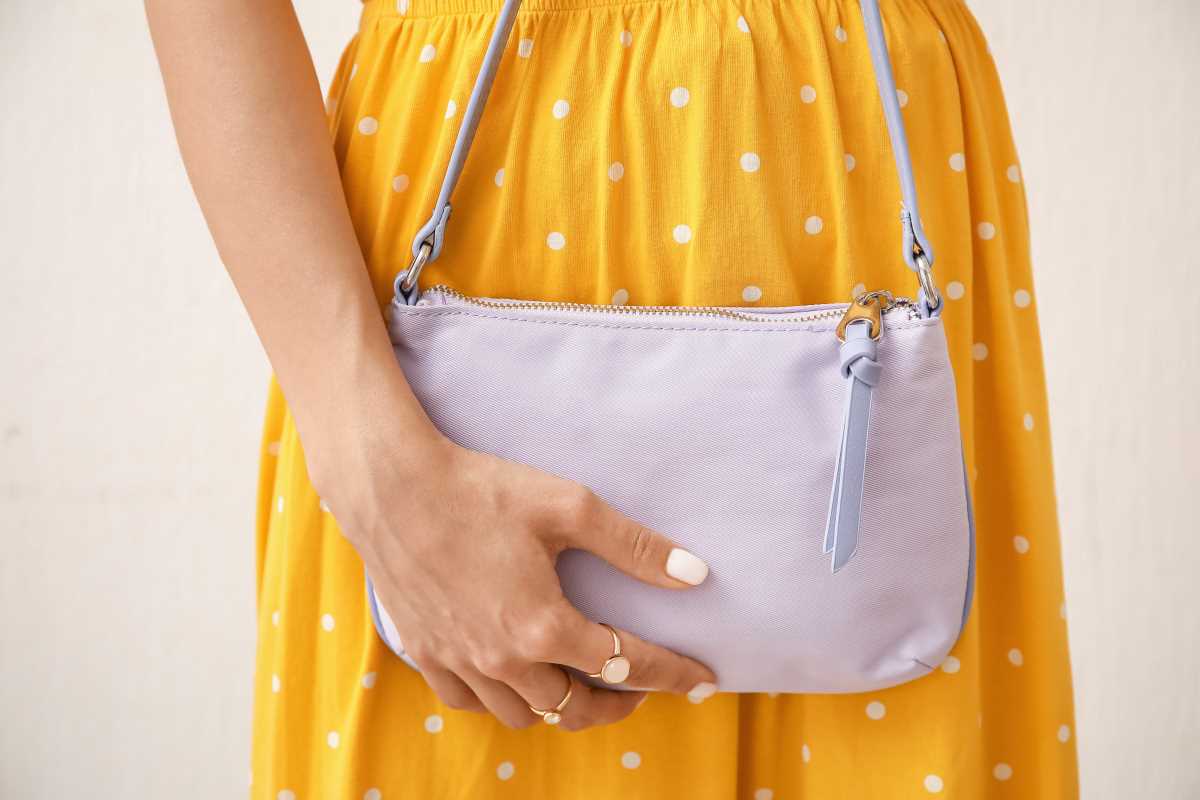
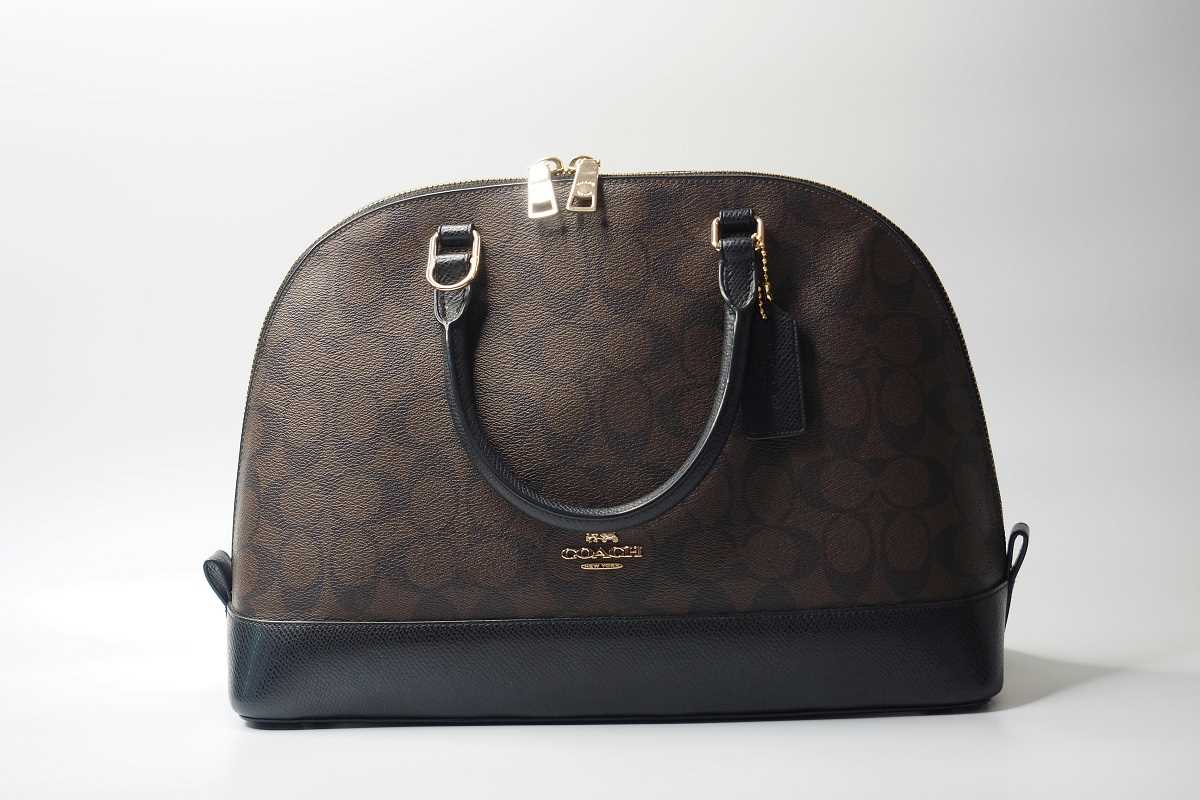
Accessories should follow the same logic of functionality. We have moved past the era of tiny "micro-bags" that cannot even hold a phone. The large leather tote is the needed bag for 2026 because it fits the "commuter-chic" lifestyle.¹ It works for the office, the gym, and weekend travel.
For jewelry, think minimalist. A pair of gold hoops or a simple leather belt can pull an entire look together without a lot of it. These small details act as the glue that makes a basic outfit feel like a deliberate "look."
Styling Approaches From Office to Evening
One of the most effective ways to test your wardrobe's versatility is the 3-3-3 method. This is a styling challenge where you choose three tops, three bottoms, and three pairs of shoes. If you have chosen correctly, those nine items should allow you to create over 27 unique outfits.¹ It is a great way to realize just how much potential your current clothes actually have.
To make this work, you need to make sure a high "match rate." Every item in your capsule should ideally match about 70% of the other items you own.² This is why sticking to a consistent color palette is so important. When your Sage Green sweater matches your Mocha Mousse trousers and your black denim, getting dressed becomes an automatic process.