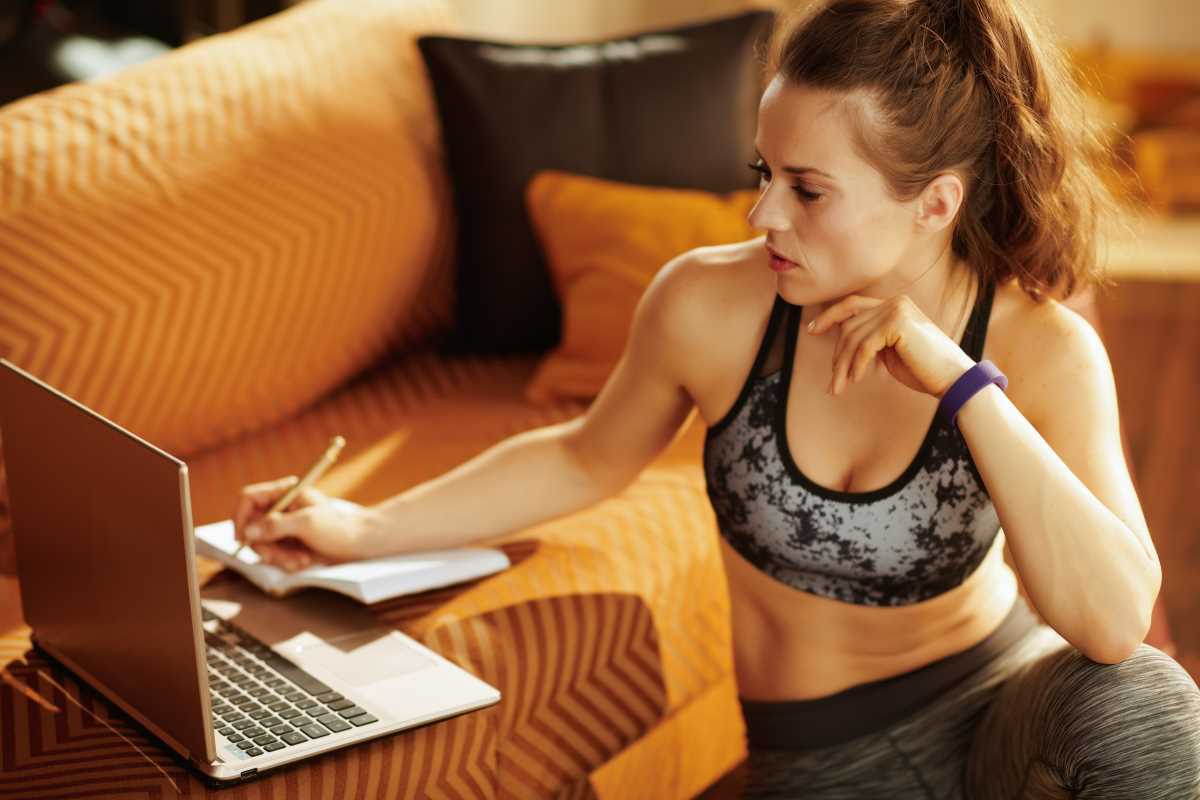
Getting in shape often feels intimidating, but the fitness landscape in 2025 is shifting to be more inclusive and sustainable than ever before. We are moving away from punishing, high-intensity grind cultures and toward routines that prioritize longevity, mental well-being, and community connection. The focus is no longer just on how you look, but deeply on how you feel and how well your body functions in everyday life. New trends are emerging that make exercise accessible for everyone, regardless of age or ability level. This article explores the top fitness movements defining the year, breaking down exactly why they work and offering practical advice on how you can weave them into your own schedule starting today.
Low-Impact Movement Takes Center Stage
High-Impact Interval Training (HIIT) has dominated the conversation for years, but many people found it hard on their joints and stressful on their bodies. In 2025, we see a massive pivot toward Low-Impact Strength Training (LIST) and other gentle movement forms. These workouts deliver incredible results without the wear and tear associated with jumping and sprinting.
Pilates and Reformer Hybrids
Pilates is certainly not new, but it is experiencing a renaissance with a modern twist. Studios are now offering "hybrid" classes that combine traditional reformer Pilates with elements of strength training. You might use heavier springs or incorporate dumbbells while on the machine. This approach builds lean muscle mass while maintaining the core-strengthening and flexibility benefits of traditional Pilates. It is supportive for those recovering from injuries or anyone who wants a challenging workout that leaves them feeling energized rather than depleted.
Rucking: The Simple Outdoor Workout
Walking is fantastic, but "rucking" adds a simple layer of resistance that transforms a stroll into a full-body workout. Rucking involves walking with a weighted backpack. It originated in military training but has been adapted for the general public as a low-impact way to build cardiovascular endurance and back strength. You do not need expensive gear to start. A sturdy backpack with a few water bottles or books inside works perfectly. This trend encourages you to get outside, enjoy nature, and improve your posture, all while burning significantly more calories than a standard walk.
Recovery as a Primary Workout
Recovery is no longer just what you do on your rest days; it is becoming the main event. Active recovery classes are filling up at gyms across the country. People are realizing that a body constantly under stress cannot improve. Dedicating time to repair and mobility is essential for long-term health.
Assisted Stretching and Mobility
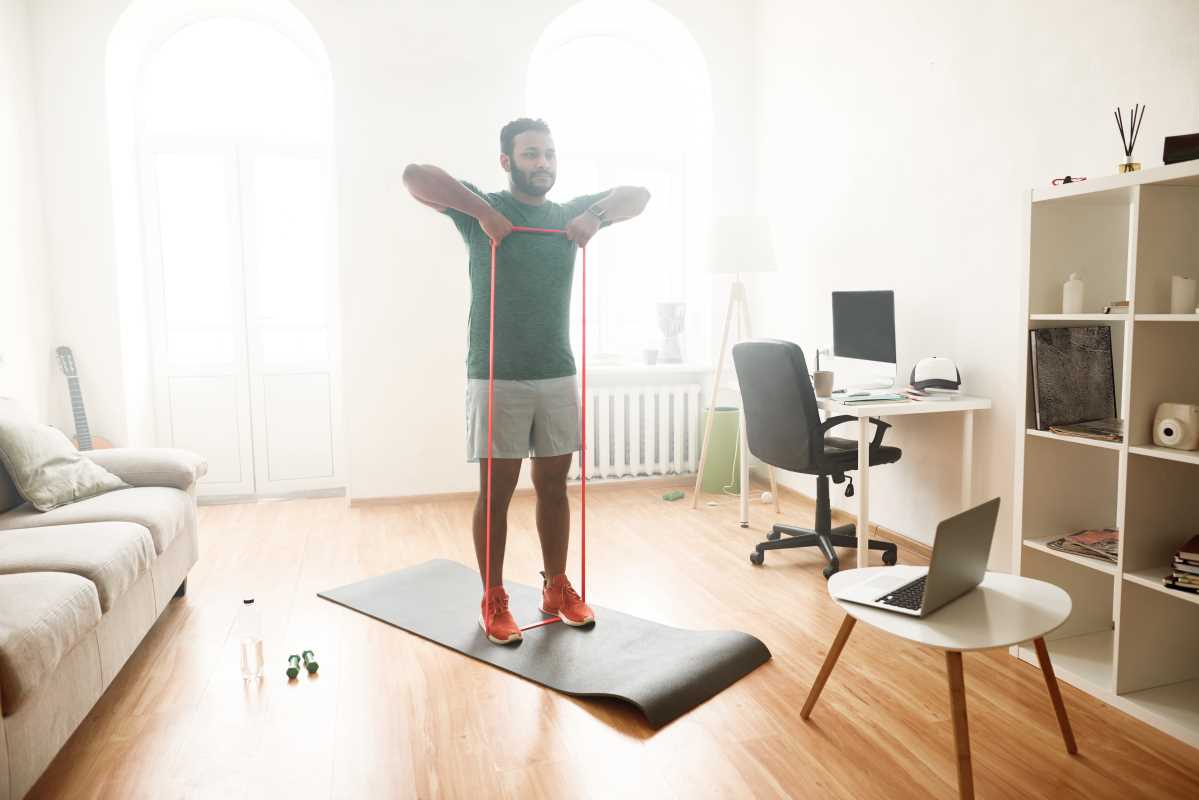
Stretching studios are the new coffee shops. These specialized spaces offer one-on-one sessions where a trained professional stretches you out. It is like yoga, but you don't have to do the work. The practitioner moves your body through safe ranges of motion to release tight muscles and improve circulation. For those who can't make it to a studio, mobility apps are trending. These apps offer 10-15 minute routines focused on joint health, perfect for doing right in your living room. Prioritizing mobility helps prevent injuries and keeps you moving pain-free as you age.
Biohacking for Recovery
Technology is playing a huge role in how we recover. Compression boots, massage guns, and infrared sauna blankets were once reserved for elite athletes. Now, they are household items. These tools help flush out lactic acid and reduce inflammation after a workout. Using them feels like a treat, making recovery something to look forward to. Even simple practices, like contrast showers (alternating hot and cold water), are gaining popularity for their ability to boost circulation and energy levels instantly.
The Rise of "Cozy Cardio"
Fitness does not always have to be intense or loud. The "Cozy Cardio" trend is all about making exercise comfortable and enjoyable, removing the barriers that often stop people from starting. It rejects the "no pain, no gain" mentality in favor of movement that feels good emotionally and physically.
creating a Sanctuary for Sweat
The concept is simple: set the mood before you move. Light some candles, put on your favorite comfort show or uplifting playlist, and do low-intensity cardio in your pajamas. This could be walking on a treadmill pad, using a stationary bike, or doing a gentle dance workout. The goal is to disassociate the negativity of a gym environment from the act of exercising. By making the environment soothing, you are more likely to stay consistent. It turns a chore into a self-care ritual.
Gamified Fitness
Video games are getting people off the couch. VR fitness games and motion-controlled adventures are a major part of the cozy cardio movement. You can box to the beat of music, slash through obstacles with lightsabers, or explore fantasy worlds, all while getting your heart rate up. This form of exercise is incredibly engaging because it distracts you from the physical effort. It is inclusive for families, as parents and kids can play together, making fitness a fun group activity rather than a solitary task.
Community-Driven Wellness Clubs
Loneliness is a significant health risk, and the fitness industry is responding by creating spaces that prioritize social connection over calorie counting. Run clubs, walking groups, and recreational sports leagues are exploding in popularity.
Social Run and Walk Clubs
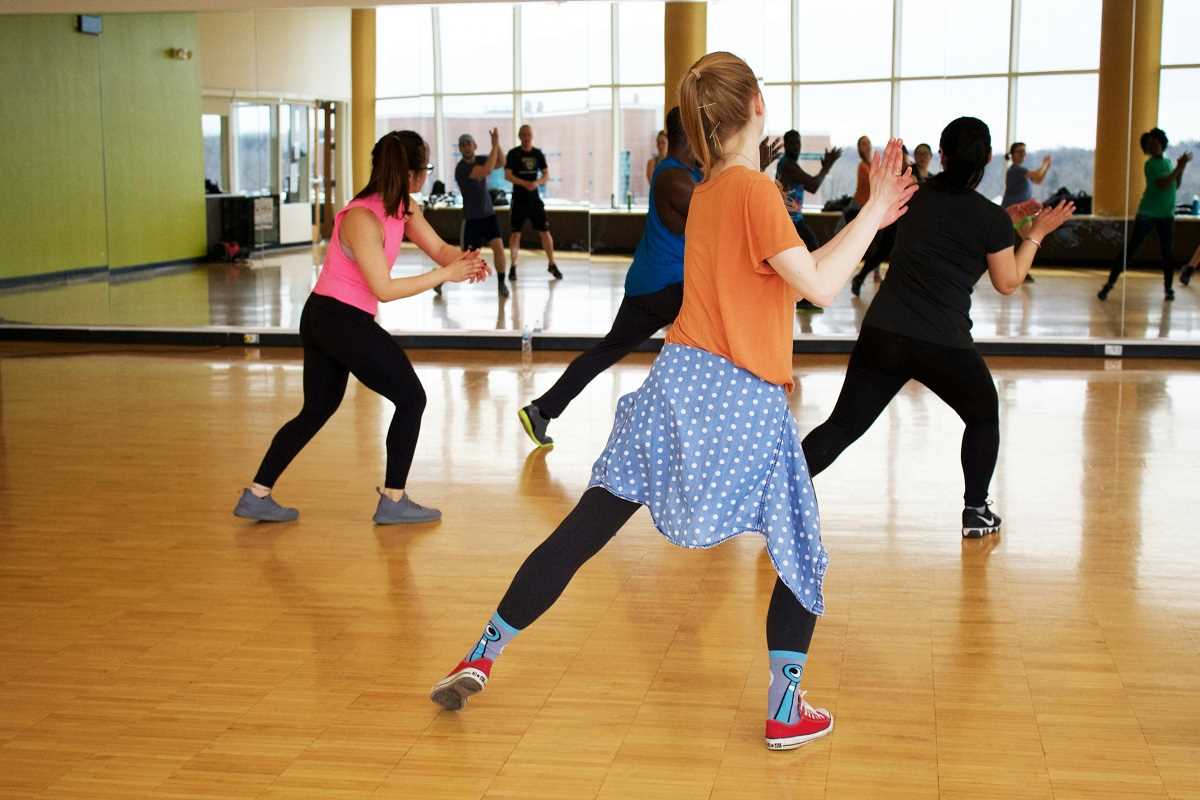
These are not your intense, competitive track teams of the past. Modern run clubs often market themselves as "social clubs that happen to run." The pace is conversational, ensuring no one gets left behind. Many groups end their sessions at a local coffee shop or bakery, encouraging members to stay and chat. This structure builds a support system. Knowing that friends are waiting for you makes it much easier to lace up your shoes on a cold morning. It transforms exercise from a solitary obligation into a social highlight of the week.
Adult Rec Leagues
Pickleball started the wave, but now we are seeing a resurgence in adult leagues for kickball, volleyball, and even dodgeball. These leagues are less about winning championships and more about having fun and moving your body. They offer a nostalgic return to gym class days, minus the pressure. Participating in team sports improves coordination and reflexes, but the biggest benefit is the laughter and camaraderie. It is a fantastic way to meet new people in your community while getting a solid workout without even realizing it.
Mind-Body Integration
We are finally treating the head and the body as one connected system. Workouts in 2025 are explicitly designed to support mental health, using movement as a tool to manage anxiety and build emotional resilience.
Somatic Exercises
Somatic workouts focus on the internal experience of movement. Instead of looking in a mirror to check your form, you focus on how the movement feels inside your muscles and joints. This practice is often used to release stored tension and trauma from the body. Exercises might involve shaking, rocking, or slow, deliberate breathing patterns. It is deeply soothing for the nervous system. Integrating five minutes of somatic shaking at the end of a stressful day can help reset your mood and prepare you for a restful sleep.
Breathwork Classes
Breathwork has moved from the end of yoga class to a standalone practice. dedicated classes guide participants through specific breathing patterns designed to alter their state of mind. Some techniques boost energy and focus, while others induce deep relaxation. Learning to control your breath gives you a powerful tool to manage stress in real-time. You can do these exercises anywhere—in the car, at your desk, or before a big meeting. It empowers you to take control of your physiological response to stress.
Strength Training for Longevity
Building muscle is being reframed as an investment in your future self. The aesthetic goal of getting "ripped" is taking a backseat to the functional goal of staying strong and independent as you age.
Functional Fitness
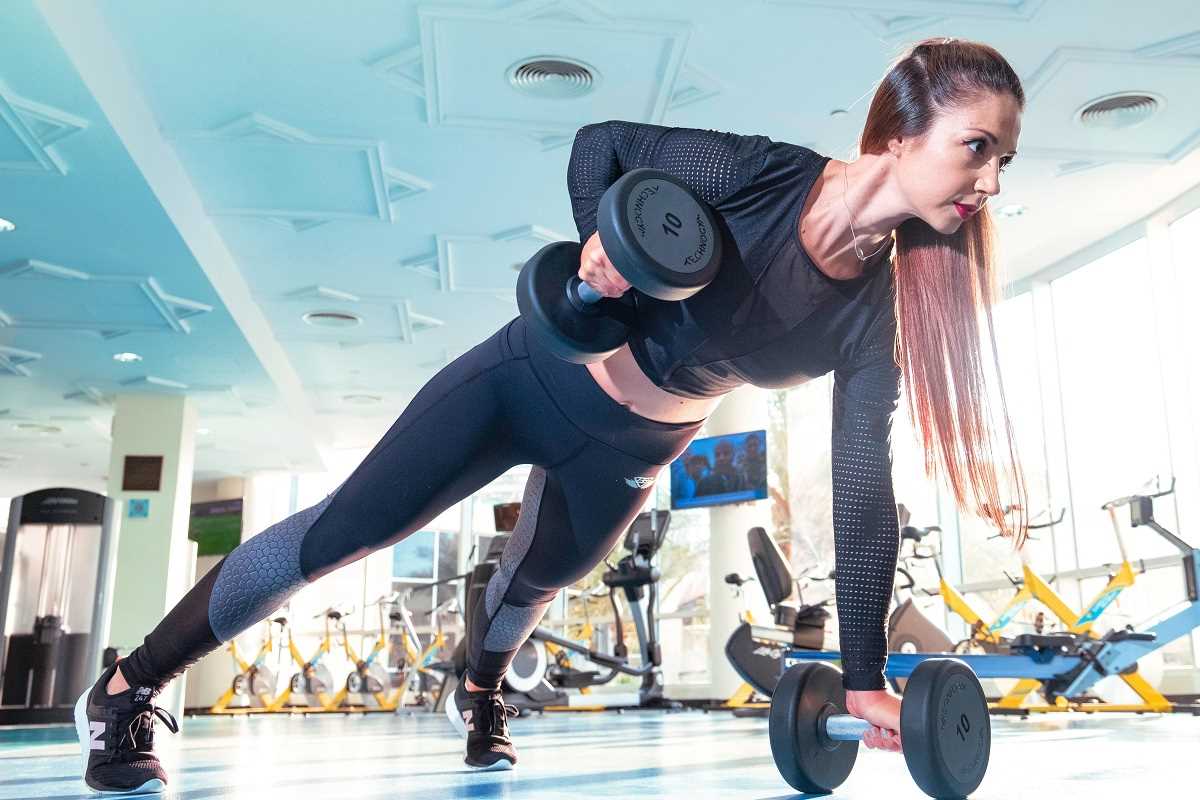
Functional training mimics the movements of daily life. Exercises focus on squatting, hinging, pushing, pulling, and carrying. The aim is to make everyday tasks easier, like carrying groceries, playing with kids, or lifting a suitcase into an overhead bin. Trainers are emphasizing balance and stability work, which are crucial for preventing falls later in life. This practical approach makes strength training feel relevant and essential for everyone, not just bodybuilders.
Micro-Workouts
Lack of time is the number one barrier to exercise. The solution trending in 2025 is "exercise snacking" or micro-workouts. Instead of finding a 60-minute block of time, you perform short bursts of activity throughout the day. This could be 10 minutes of strength training in the morning, a 10-minute walk at lunch, and 10 minutes of stretching before bed. Research shows these small sessions add up and offer significant health benefits. It is a forgiving and flexible way to build strength, proving that consistency matters far more than duration.